Timings: Whitney Museum is open from 9am to 6pm Wednesday to Monday, except Fridays. On Fridays, the museum is open until 10pm.
Closed: The museum is closed on Tuesdays.
Last admission: 45 minutes before closing time.
Timings: Whitney Museum is open from 9am to 6pm Wednesday to Monday, except Fridays. On Fridays, the museum is open until 10pm.
Closed: The museum is closed on Tuesdays.
Last admission: 45 minutes before closing time.
For a quieter experience at the Whitney, weekdays are your best bet, with Monday mornings being the least crowded. If you’re visiting on a Friday, consider wrapping up your visit by 5pm as large crowds arrive for the free entry between 5pm and 10pm.
In terms of the best months to visit, late April to early June and September to early November are ideal. These months fall outside of the peak summer and holiday tourist seasons, meaning fewer crowds and a more relaxed experience. Summer (June to August) is the busiest time, as New York City sees a massive influx of tourists, which makes the museum more crowded.
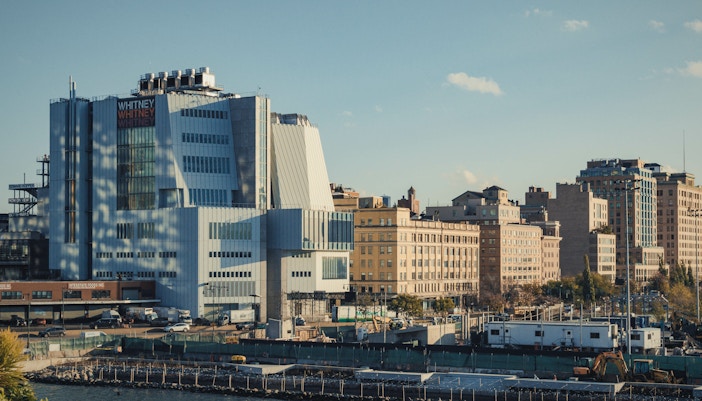
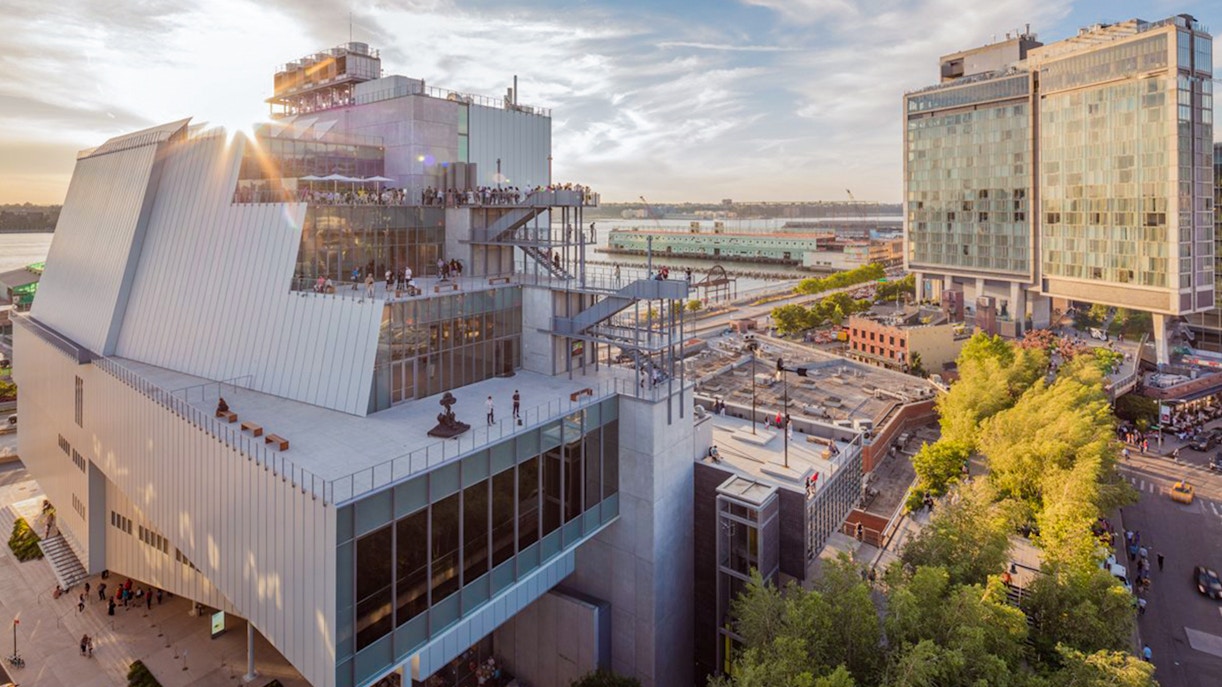
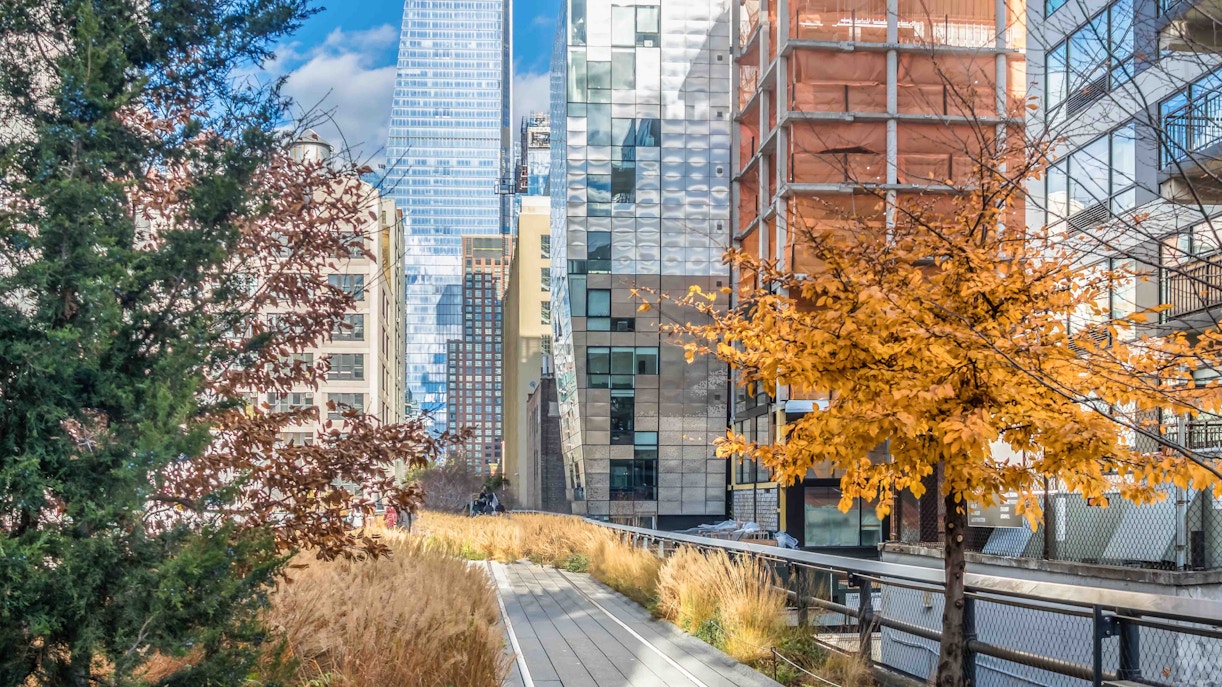
The Whitney Museum is situated at the southern end of the High Line in the Meatpacking District. You’ll also be just steps away from trendy spots like Chelsea Market and a bustling neighborhood full of dining options and attractions.
Address: 99 Gansevoort Street, New York, NY 10014 | Find on Maps
Closest landmark: The High Line (0.2 miles)
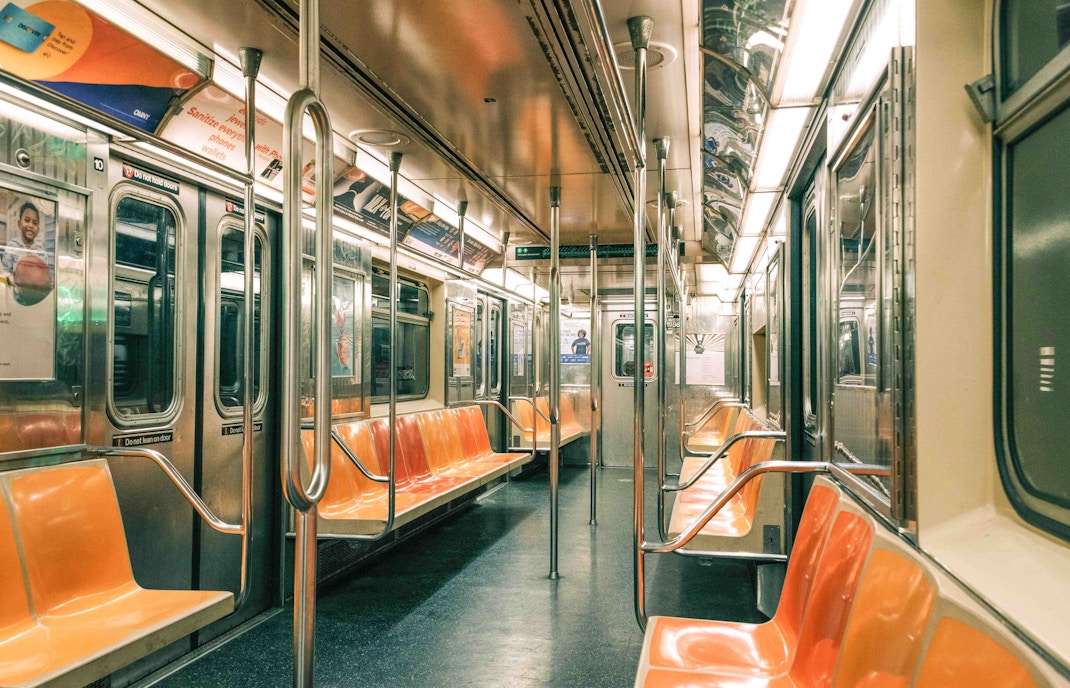

You can drive to the Whitney Museum, but parking in the area can be difficult. It is often more convenient to use a rideshare service. Services such as Uber and Lyft are widely available in New York City and can drop you off directly at the museum entrance.
Parking: The museum does not have its own parking garage. However, nearby parking facilities include the Icon Parking Garage at 99 Jane Street, which is just a short 3 minute walk from the museum.

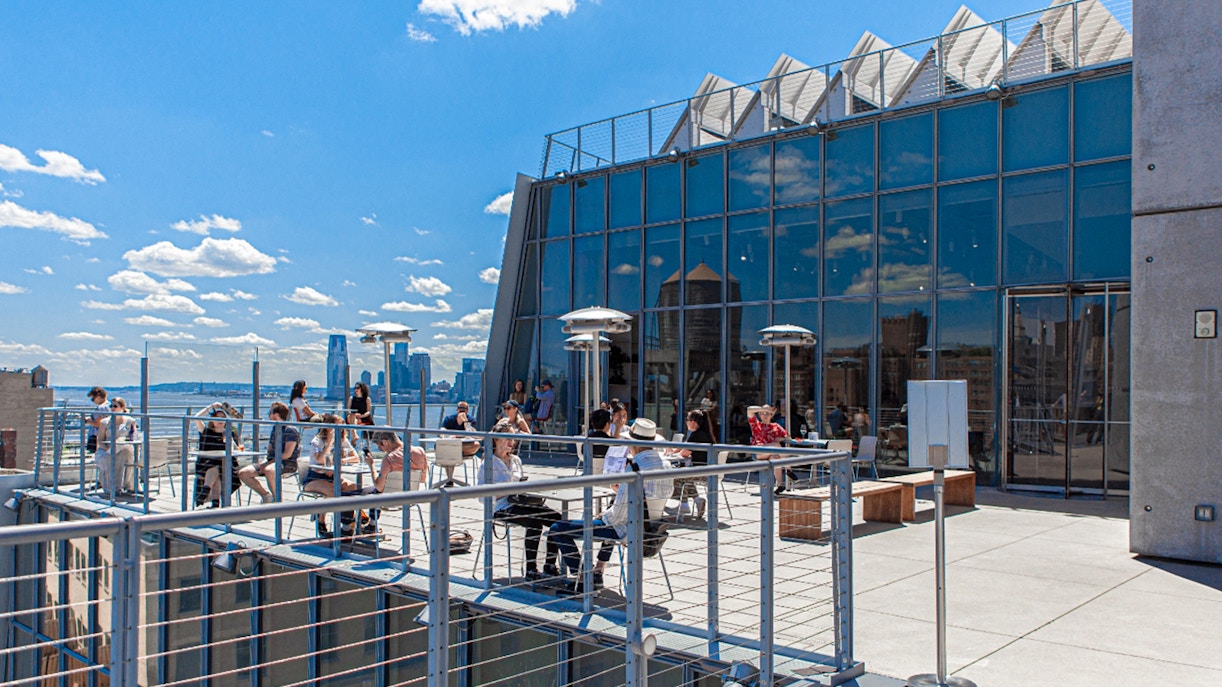
There are 2 dining options available at the museum.

The Whitney Shop features a wide selection of art books, exhibition catalogs, designer products, and Whitney-themed gifts.
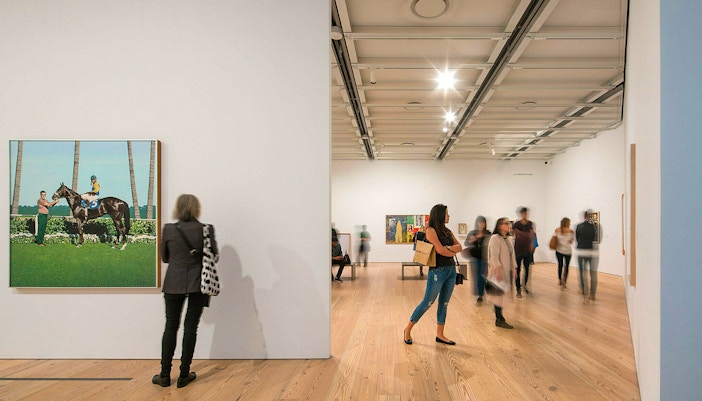
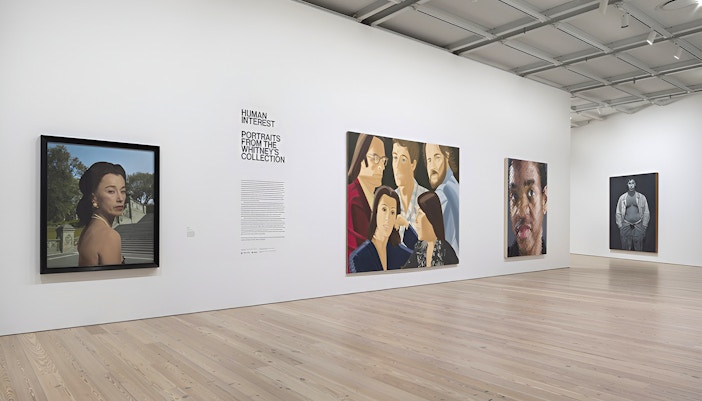
Step into the early 20th century on the 5th floor, where you'll come across American artists breaking away from European influence. Highlights include Georgia O’Keeffe’s "Summer Days" (1936) with its vibrant depiction of the Southwest, to Edward Hopper’s reflective works, this collection illustrates the evolution of American identity through bold abstraction and modernism.

Get lost in the energy of post-World War II art on the 6th floor. Jackson Pollock’s "Number 27" (1950) embodies the chaos and movement of Abstract Expressionism, while Andy Warhol’s "Before and After" (1961) critiques consumer culture. These works mirror a rapidly changing society, where art becomes a dialogue on America's post-war identity.
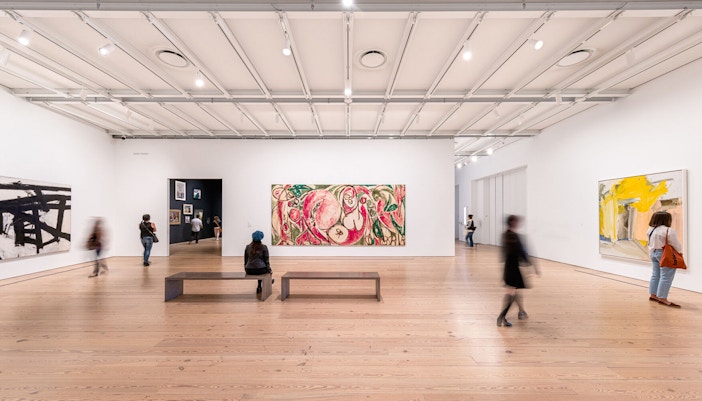
Discover a slice of American life through Social Realism and Regionalism on the 5th floor. Thomas Hart Benton’s "The Lord is My Shepherd" (1926) captures rural resilience, while Charles Sheeler’s "American Landscape" (1930) explores industrial growth. Together, these works offer you a unique lens on America's evolving culture during difficult times.
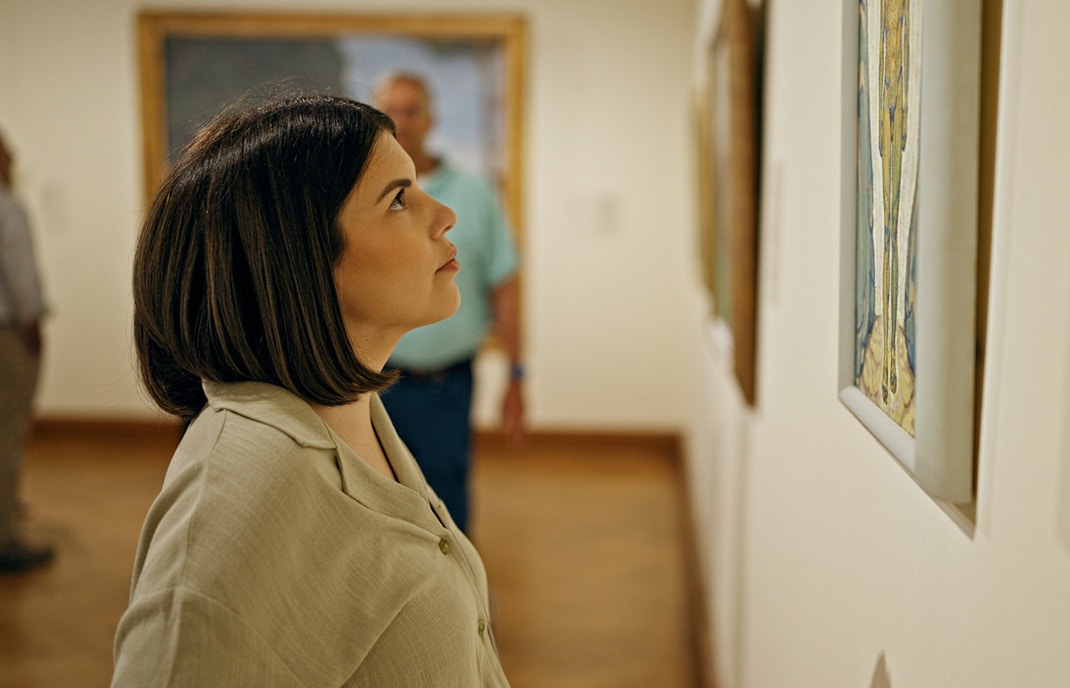
On the 6th floor, you'll find Minimalism and Conceptual Art, movements that challenged traditional artistic norms. Pieces like Donald Judd’s "Untitled" (1969) emphasize form over content, while Sol LeWitt’s "Wall Drawing #1" (1968) invites you to rethink the art-making process. This is art that urges you to consider space, structure, and ideas.

Scattered across multiple floors, the Contemporary Art collection features works that confront pressing issues. Jean-Michel Basquiat’s Untitled (1981) captures the raw energy of urban life and racial identity, while Kara Walker’s “Silhouette” explores the ongoing legacy of slavery. These pieces challenge you to reflect on America’s contemporary struggles and societal issues.
No, food and beverages are not allowed inside the Whitney Museum. However, you can grab refreshments at the restaurants in the museum.
The Whitney does not have on-site parking, but there are several paid parking garages in the surrounding area.
Yes! The Whitney offers family programs that include art-making workshops for kids with autism and guided tours designed for kids of all ages.
Plan to spend around 2 to 3 hours to fully explore the permanent collections and current exhibitions, though this may vary depending on your pace and interests.
Yes, you can purchase Whitney Museum tickets online in advance, which is recommended, especially for popular exhibitions. This helps avoid long waits at the entrance.
Yes, free Wi-Fi is available throughout the museum, making it easy for you to stay connected or share your experience in real time.
Whitney Museum of American Art Tickets
Combo (Save 5%): Whitney Museum of American Art + Museum of Modern Art (MoMA) Tickets
Combo (Save 9%): Whitney Museum of American Art + Edge Observation Deck Tickets
Go City New York Explorer Pass: Choose 2 to 10 Attractions